
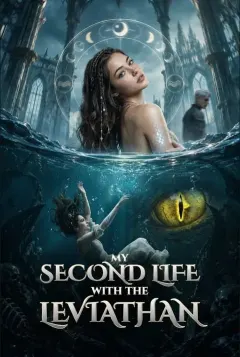
What is an AI drama? It is a scripted series whose images, and often its voices, are produced with generative AI tools instead of cameras, sets and a filmed cast. Most are told in vertical episodes of one to three minutes, framed for a phone held upright, and nearly every episode ends on a hook meant to pull the viewer into the next one. People also search for the same thing as an AI short drama or an AI drama series, and all of those terms describe one idea: a serialized story made quickly, cut into small pieces, and released in large batches that a platform can lock behind coins or a VIP plan.
The name is used loosely, so it helps to place it among its neighbors. A micro drama is the format, defined by episode length and pacing; a vertical drama is the same format described by its picture shape; and an AI drama is any of these that was made with generative tools. As of late 2026 the three overlap heavily but are not interchangeable, because plenty of micro dramas are filmed with human casts. A filmed series with machine-made subtitles is still a micro drama, and a generated series framed in a wide picture would still be an AI drama, so the three words answer different questions: how long the episodes run, what shape the picture has and how the images were made.
What is a micro drama?
A micro drama is a scripted serial broken into episodes so short that a whole scene often lasts less than a minute, usually one to three minutes per episode. The format grew out of China, where it is known as duanju, and it reached Western audiences through dedicated apps and through social video feeds that had already taught viewers to expect fast, upright clips. Spellings vary: microdrama, mini drama and short drama all point to the same product, even though some writers reserve one word for the length and another for the screen shape, so a reader who meets any of them can safely assume the same thing is meant.
Because an episode has so little room, the writing follows a strict rhythm. Each one opens in the middle of a conflict, delivers a single reveal, humiliation or reversal, and stops at the worst possible moment. There is no recap and almost no scene-setting, so a full season can add up to hours of viewing that arrives in pieces small enough for a commute or a lunch break. The result reads less like television and more like a serialized web novel, which is why the same plots keep returning in new costumes. The first episode therefore works as a complete test: if the opening conflict does not interest the viewer, nothing later in the season is likely to.
What is a vertical drama?
A vertical drama is a series framed in a tall 9:16 picture so that it fills a phone held in the normal upright grip, with no tilting and no black bars at the sides. In everyday use the term means the same thing as a micro drama, and a title can honestly be called both. The shape matters because faces dominate a tall frame: close-ups carry the emotion of a slap, a betrayal or a confession in a few seconds, which is exactly what a story told in tiny episodes needs, and it is the picture shape that short video apps trained people to expect long before dedicated drama platforms appeared.
Vertical framing also simplifies the work of makers. A narrow shot needs fewer background details, fewer extras and less set to build, which is especially helpful for AI-generated series, where crowds and wide rooms are among the hardest things to render convincingly. The shape was not invented for AI, though; filmed vertical series use it for the same phone-first reasons, so the word vertical says how a series looks on screen and says nothing about whether real actors were involved in it. Anyone comparing apps will see the same upright frame everywhere, so the shape is a shared habit of the whole category, not a signature of any single service or production method.
How is an AI drama different from a filmed one?
In a fully generated drama, the characters, locations and movement come from AI image and video tools, and the result is edited together with generated or recorded voices. A hybrid production films real actors and lets AI handle parts of the job such as translation, dubbing or effects, while a third group is ordinary filmed drama with machine-made subtitles. Most people who search for an AI drama mean the first group, and that is the kind this site follows, because the cast is synthetic and no one stood in front of a camera. The line between the groups is not always visible on screen, which is why platform statements matter more than guesses.
This site follows ShortPeak, SAGABOX and YourChannel, which publish AI-generated dramas and all play in a browser, and the way each one describes its own method is set out in Are AI Dramas Real? AI Actors or Filmed Cast. A common hybrid shows why the label needs care: a series filmed with a human cast, then dubbed into English with synthetic voices, counts as an AI drama for some viewers and not for others. This guide therefore uses the narrow meaning, in which the picture itself is generated, because that is what most people searching for the term want to know. A viewer who needs certainty about one title should read the platform's about or terms pages, since an individual series page rarely says how it was made.
Why are there so many AI short drama series?
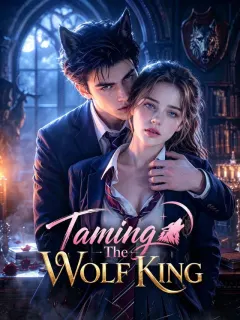
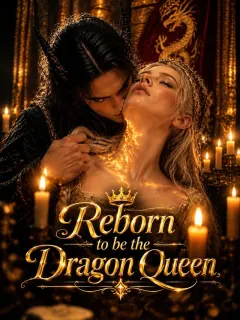
The main reason is cost. Industry reporting in May 2026 describes AI as sharply cutting the time and money needed to make a short drama, with small teams replacing large crews and locations. The same reporting says Kunlun Tech, the company behind DramaWave and FreeReels, began making AI dramas in 2025 and aims to raise their share across its platforms. A dragon palace or a werewolf pack costs no more to render than a living room, which explains why fantasy settings are so common and why a single creator can now release a full series that once needed a studio.
The business model rewards volume as well. Most platforms in this space open each series with free episodes and then ask the viewer to pay with coins or a VIP plan, so a large catalog full of cliffhanger hooks gives people more reasons to keep going. The result is a flood of titles in which quality varies widely, and choosing among them has become a bigger problem than finding them, which is why browsing by trope or mood tends to work better than scrolling a list of names; the page for secret baby, for example, groups series built on one premise.
What do AI drama series look like in practice?
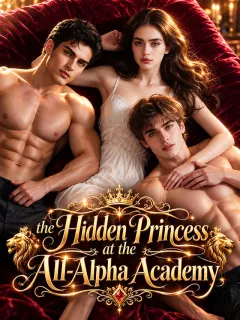
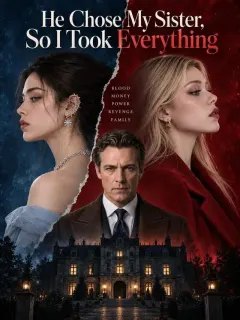
The stories lean on fast, legible setups. A hidden identity premise announces its secret at once, a revenge after betrayal premise tells you who will pay, and a fated mates premise promises a bond before the first kiss. Genres such as fantasy & myth and werewolf fill much of the catalog on SAGABOX, while billionaire and mafia stories are common on YourChannel. Since each episode is tiny, the writer must establish who wronged whom almost immediately, which is why tropes matter far more here than they do in long television, where a slow reveal has room to breathe.
AI video still has limits that attentive viewers notice: a face can drift slightly between shots, hands and crowds are awkward, and settings are often reused from one scene to the next. Creators work around them with close-ups and short scenes, and quality keeps improving, so any list of visual tells ages quickly. A practical way to compare two series is to watch the first episode of each and note which one holds the picture steady and the story clear, since steady images and a clear conflict matter more than technical polish. Judge a series on its story and pacing, and read Watch Short Dramas Online: Where to Find Them for the official places where complete episodes can be played, in a browser or in an app.
Quick answers
Is an AI drama the same as an animated series?
Not quite. Animation is drawn or modeled in a deliberate style, while an AI drama usually aims for a live-action look produced by generative tools. The two can overlap, so the platform description is the best clue to how a particular series was made.
Is a micro drama always made with AI?
No. Micro dramas are defined by their short episodes and phone-first framing, and many are filmed with human casts. AI is one way to produce them, and an increasing share of new titles use it, but the format existed well before generative tools.
How long is an episode of a vertical drama?
Roughly one to three minutes, with some running a little longer. A single story is made of many such episodes, so a full series can add up to hours of viewing when watched in sequence, usually in short sittings.
Why do these series end every episode on a cliffhanger?
Episodes are brief, and platforms earn money when viewers continue past the free run. A hook at the end of each one is the simplest way to make the next episode feel necessary, so the cliffhanger is effectively part of the format.
Do I need an app to watch an AI drama?
Not for the three platforms covered on this site. ShortPeak, SAGABOX and YourChannel all play in a web browser, so nothing has to be downloaded. Other services lean more on phone apps, which is worth checking before signing up.